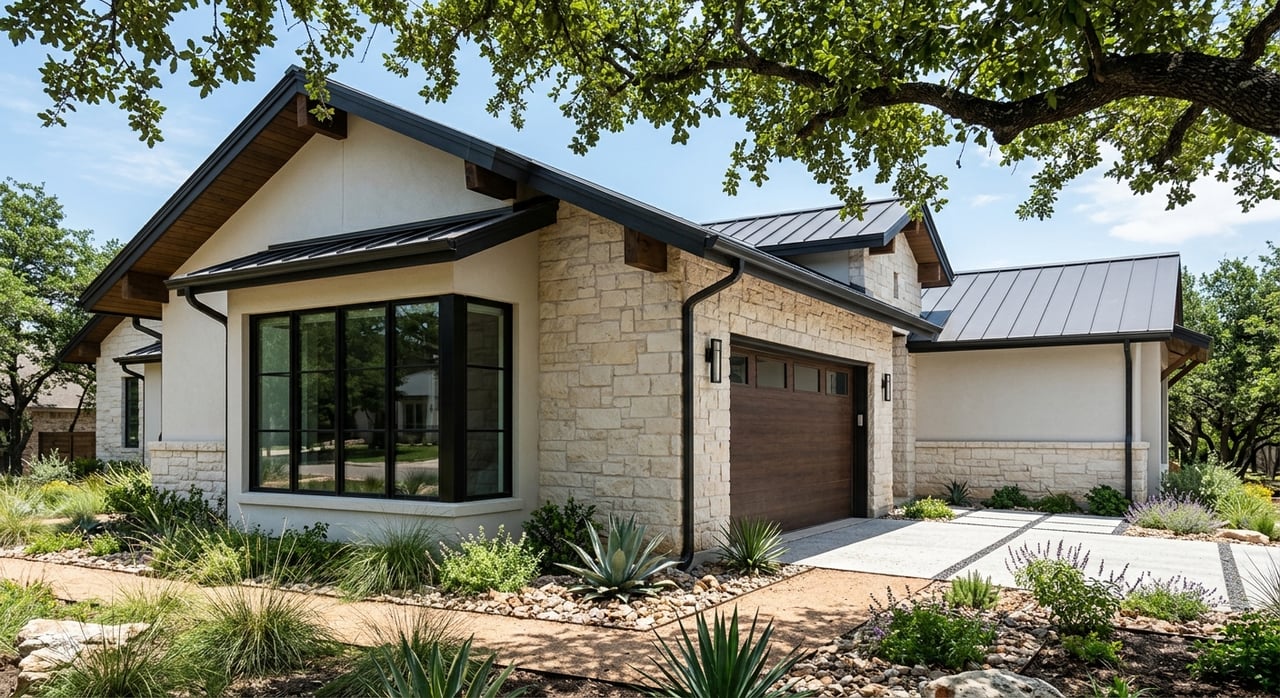
If you are building a new construction home in New Braunfels, one of the first questions you probably have is simple: how long will this really take? The short answer is that most buyers should think in months, not weeks. When you understand the major steps, the local permit and inspection process, and the most common causes of delays, it becomes much easier to plan your move with less stress. Let’s dive in.
A realistic New Braunfels build timeline
For many buyers, a practical timeline for a new construction home in New Braunfels is about 8 to 14 months from early planning to move-in. That range can shift based on whether you are buying a production home, a semi-custom home, or a fully custom home. It can also change depending on whether the lot is already ready for construction.
National construction data helps set expectations. In 2024, 46% of U.S. single-family homes were completed in 4 to 6 months from construction start, while 20% took 7 to 9 months and 13% took 13 months or more. That tells you the build itself may move fairly quickly in some cases, but the full process often starts well before construction begins.
In New Braunfels, pre-construction work can add time before dirt work ever starts. The city’s development process may include pre-development steps, zoning, platting, public infrastructure, building permits, and a certificate of occupancy before move-in. If your lot is not fully entitled or serviced, that setup work can take longer than you expect.
What happens before construction starts
The pre-construction phase is where many buyers underestimate the timeline. Before the crew starts building, there are usually decisions, paperwork, reviews, and approvals that need to happen first. This is why a home that looks like a simple build on paper can still take months to get off the ground.
Within New Braunfels city limits, a building permit is required before construction. The city says the initial review usually takes 1 to 3 working days, with a residential review goal of 10 working days. Still, timing can vary based on project complexity and the quality of the permit submittal.
A complete residential new-build submittal usually includes:
- Site plan
- Floor plan
- Foundation and wall-bracing information
- Electrical plans
- Plumbing plans
- Mechanical plans
- Erosion-control documentation
- RES energy calculations
If the property is in the floodplain, more documentation is required. That can include floodplain forms and pre-construction elevation certificates, which can add another layer to the timeline.
Another detail that matters is contractor setup. The city requires all contractors, including the general contractor, to be registered before the permit is issued. Subcontractor notification forms also need to be submitted in advance, so builder readiness can affect your schedule too.
City limits vs. ETJ matters
One early question can save you time: is the property inside New Braunfels city limits or in the ETJ? The city’s development guide says a building permit is not required for lots inside the extraterritorial jurisdiction, or ETJ. That makes it important to confirm the property’s jurisdiction early in the process.
This distinction matters because different locations can mean different approval paths. If you assume the process is the same everywhere, you may build your moving plan on the wrong timeline. A quick jurisdiction check upfront can prevent confusion later.
Selections can add weeks
Your design choices are part of the timeline, not a side task. Interior selections commonly take 6 to 10 weeks, and if the community has HOA architectural review, that can add 3 to 6 more weeks. Long-lead items such as custom cabinets or windows can take 8 to 14 weeks.
This is one reason buyers should avoid delaying finish decisions. If you wait too long to choose materials, fixtures, or design details, the schedule can back up behind ordering and delivery. Even one late choice can create a chain reaction.
The main construction stages
Once permits are approved and the site is ready, the on-site build usually follows a familiar sequence. In Texas, builders often break this into five broad stages. Knowing this order helps you understand where your home is and what likely comes next.
1. Foundation stage
The foundation phase is often the first month of construction and usually takes 4 to 6 weeks. This stage can include site prep, under-slab plumbing, the concrete pour, and cure time before framing begins. Early weather issues or site conditions often show up here first.
2. Framing and rough-ins
Framing and rough-ins often take 6 to 8 weeks. During this stage, the home’s structure goes up and key systems begin to take shape. That includes mechanical, electrical, and plumbing work inside the framing.
3. Exterior, insulation, and drywall
The exterior shell plus insulation and drywall typically take another 6 to 8 weeks. This is when the home starts to feel more complete from both the outside and inside. Progress can look dramatic here, but inspections still guide the pace.
4. Interior finishes
Interior finishes commonly take 6 to 8 weeks. This phase can include cabinets, flooring, trim, paint, counters, fixtures, and other visible details. Material availability can have a major impact during this stage.
5. Final closeout
Final punch-list work often takes about 3 to 4 weeks. This is where loose ends get wrapped up and final items are completed before the home is ready for final approvals. It may feel close to done, but you still need the last inspections and occupancy clearance.
New Braunfels inspections shape the schedule
In New Braunfels, inspections are a key part of the construction timeline. The city says residential inspection requests are scheduled for the next business day, which helps work move forward when everything is ready. Still, each required inspection acts like a checkpoint, so delays in one stage can affect the next.
The city’s residential inspection list includes:
- Below-slab plumbing
- Underground electrical
- Slab bond
- Water and sewer lines
- Simultaneous framing, electrical, mechanical, and plumbing inspections
- Exterior envelope
- Third-party insulation inspection for new builds
- Flatwork
- Permanent power
- Gas final
- Simultaneous final inspections
These inspection gates matter because construction cannot simply jump ahead. Work often needs to pass one checkpoint before the next step can continue. That is why a short delay near the end can still affect your closing date.
The final gate before move-in
One of the most important timeline markers is the Certificate of Occupancy, often called the C of O. In New Braunfels, the building may not be occupied until all final inspections are approved. The city also states that a C of O is issued only after all fees and inspections are complete.
After the final inspection, the certificate becomes available in the permitting portal. The city says it is available for printing within 48 hours of final inspection. For buyers, that means move-in is tied not just to construction completion, but also to final approvals and document issuance.
What causes delays most often
Most new construction delays come from a few familiar issues. The biggest schedule risks are usually permit comments or resubmittals, late design decisions, HOA review, weather, and long-lead materials. In other words, delays often start with paperwork or product timing, not just construction labor.
Major design revisions can add time because they may require plan changes, pricing updates, or re-approval. HOA architectural review can add 3 to 6 weeks. Delayed cabinet or window orders can back up the build by 8 to 12 weeks.
Site conditions can also stretch the schedule. Rock excavation, utility extensions, steep slopes, or more complex roof lines may add weeks to the build. These issues are especially important in parts of Central Texas where site prep can become more involved than expected.
How financing can affect timing
Financing is another part of the schedule buyers should plan for early. Construction-to-permanent financing can be structured as either a single-closing or two-closing transaction. During construction, funds are typically drawn in stages, with inspections confirming progress before each draw.
When construction is complete, the lender typically needs final items before the loan converts to permanent financing. That can include a final appraisal update, lien waivers, and the Certificate of Occupancy. If any of those items are delayed, your closing may move too.
How to plan your move without getting burned
If you are trying to match your move-in with a lease end or the sale of your current home, build in a buffer. The first estimated completion date is useful, but it should not be treated like a guarantee. A little extra time in your plan can protect you from a lot of last-minute stress.
A practical way to think about the sequence is this:
- Contract and selections
- Permit approval
- Construction in stages
- Final inspections and C of O
- Closing and move-in
That order matters because the home is not truly ready just because the visible work looks finished. Final inspections, the C of O, and lender closing steps all happen near the end, and even a short delay there can shift your move.
What buyers in New Braunfels should expect
If you are building in New Braunfels, the best expectation is a process with several moving parts. A straightforward production build on a ready lot may move faster than a custom home with detailed selections and a more complex site. The key is to plan around the full timeline, not just the time it takes to frame and finish the house.
Working from a realistic schedule helps you make better decisions about lease timing, temporary housing, storage, and the sale of your current home. It also helps you ask better questions early about permits, jurisdiction, selections, inspections, and final approvals. That kind of planning can save you both time and money.
If you want help planning around a new construction purchase in New Braunfels, the team at Marti Realty Group can help you understand timelines, compare options, and move forward with a practical plan.
FAQs
How long does it take to build a new construction home in New Braunfels?
- For many buyers, a realistic full timeline is about 8 to 14 months from planning to move-in, depending on the home type, lot readiness, selections, permits, and inspections.
What is the New Braunfels building permit timeline for a new home?
- Within New Braunfels city limits, the city says the initial review usually takes 1 to 3 working days, with a residential review goal of 10 working days, although timing varies by project complexity and submittal quality.
Do all new homes in the New Braunfels area need a city building permit?
- No. The city’s development guide says a building permit is not required for lots in the ETJ, so you should confirm the property’s jurisdiction early.
What inspections are required for a new construction home in New Braunfels?
- Required inspections can include below-slab plumbing, underground electrical, slab bond, water and sewer lines, framing and rough-ins, exterior envelope, insulation, flatwork, permanent power, gas final, and simultaneous final inspections.
When can you move into a newly built home in New Braunfels?
- You cannot occupy the home until all final inspections are approved and the Certificate of Occupancy is issued.
What delays a new construction timeline in New Braunfels most often?
- Common delays include permit comments, resubmittals, late design decisions, HOA review, weather, long-lead materials, and site issues such as rock excavation or utility extensions.
How should you plan a lease or current home sale around a New Braunfels build?
- Use a time buffer instead of planning around the first estimated completion date, because final inspections, the Certificate of Occupancy, and lender closing steps can still shift your move-in date.