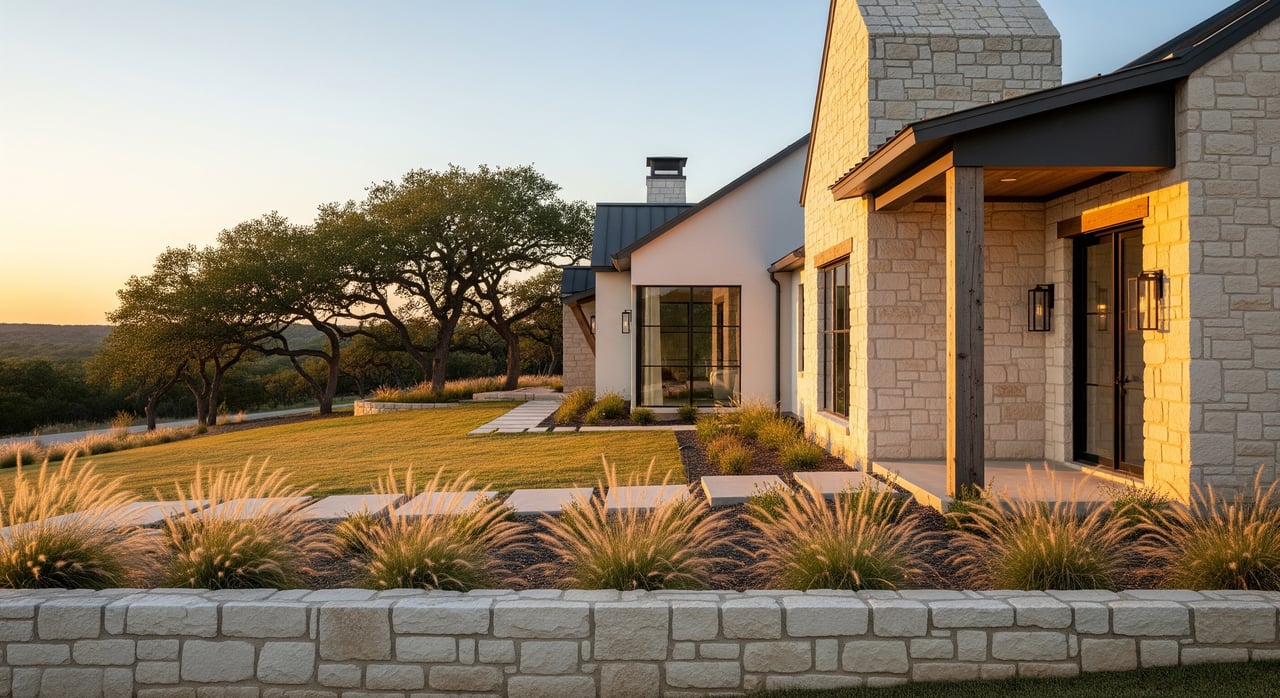
Trying to decide between a new build or a resale in New Braunfels? The right choice depends on your move-in timeline, budget, and how you want your neighborhood to feel as the city grows. You also need to factor in local details like MUD taxes, flood risk, and expansive soils that can affect long-term costs. In this guide, you’ll compare timelines, total cost, financing, inspections, warranties, and lifestyle trade-offs so you can make a confident call. Let’s dive in.
New Braunfels market snapshot
New Braunfels sits in a fast-growing corridor between San Antonio and Austin. That growth supports steady new subdivisions and continued demand for resale homes. When inventory of new homes rises, builders often offer incentives to move spec inventory. In tight markets, resale pricing and negotiation can shift, so timing matters.
Location still drives value. Proximity to I-35, Highway 46, and key FM roads shapes commute times and lot desirability. New master-planned communities often deliver amenities in phases, so early buyers may live through ongoing construction. Established neighborhoods can offer mature trees and predictable traffic patterns.
Move-in timeline
New construction and resale follow very different clocks.
- New construction, spec: Often move-in ready or available within weeks.
- New construction, to-order: Completion can take a few months to a year or more depending on permits, builder backlog, and options. Build timelines can shift due to supply or weather.
- Resale: Typical contract-to-close is about 30 to 60 days once financing is set. Cash or fast underwriting can shorten this.
If you have a strict start date, resale or a spec home can be the safer path.
Price, incentives, and total cost
Sticker price tells only part of the story.
- New construction pricing can be higher upfront but includes brand-new systems and current-code efficiency. Builders may offer closing cost help, upgrade credits, or temporary rate buydowns, especially when they hold more inventory.
- Resale pricing varies by condition, lot, and recent updates. You might pay less upfront, then budget for near-term maintenance or replacements.
Look beyond price to total cost of ownership:
- Property taxes, HOA fees, and any special districts like MUDs or bond assessments.
- Insurance needs and premiums, including flood considerations.
- Immediate repairs or upgrades vs. included builder finishes and energy savings.
Financing and appraisals
Financing depends on what you buy and when it is finished.
- Spec and completed new homes: Often financed with standard mortgages.
- To-be-built homes: Some buyers use construction-to-permanent loans, with lender-specific underwriting and rate-lock questions.
- FHA and VA: Often allowed on new builds, but builder and lender requirements can differ. Confirm early.
Appraisals can be tricky for brand-new subdivisions with few comparable sales, which can create appraisal gaps. Established neighborhoods usually offer more comps, which may make appraisals more straightforward. Review earnest money terms, financing contingencies, and refundability in both builder and resale contracts.
Inspections and buyer protections
Permits and code inspections are not a substitute for your own inspections.
- New construction: Arrange independent phase inspections, including a pre-drywall look and a final inspection. Expect builder contracts to limit repair negotiations and outline a walkthrough process.
- Resale: You typically negotiate repairs or credits after a home inspection and wood-destroying insect inspection, with required seller disclosures about known defects.
Given central Texas soils, consider a foundation-focused inspection or structural engineer review, plus drainage and grading checks. For properties with septic systems, plan for a septic inspection.
Warranties and after-closing care
Many builders offer a layered warranty structure: a short-term workmanship/finish warranty, a mechanical systems warranty, and a longer structural warranty. Exact coverage, notice periods, and remedies vary, so get it in writing and understand how to submit claims.
Resale homes usually do not include builder warranties, but you can purchase a third-party home warranty or negotiate a seller-paid warranty for the first year.
Customization and upgrades
If you want to personalize finishes before you move in, a to-order build offers the most flexibility early in construction. Mid-build changes often add cost and time. Spec homes deliver a fixed package of finishes but may allow limited upgrades after closing.
Resale homes let you remodel on your timeline, but you will manage contractors and potential permitting. Balance paying for upgrades now against remodeling later.
Energy efficiency and systems
New homes typically meet current building codes, which can mean better insulation, windows, HVAC efficiency, and appliances. That can reduce operating costs over time. Energy performance in resale homes varies more widely, and older systems may need upgrades to match today’s standards.
Neighborhood and lifestyle fit
New communities often roll out amenities in phases. Early buyers might see construction traffic, evolving traffic patterns, and young landscaping. HOAs commonly set design and use rules, so review CC&Rs and fee schedules.
Established neighborhoods offer mature trees and more predictable surroundings, with nearby services already in place. Amenities may be stable rather than new, but the community character is usually clearer.
Long-term value and resale
Location, commute access, and neighborhood desirability lead the way. New homes can command an initial premium, while established neighborhoods may hold value thanks to mature landscaping and proven demand. Also check the pipeline of nearby new construction. Heavy building close by can affect resale dynamics in the short term.
Buyer checklists
Use these practical questions and steps to keep your decision on track.
Questions to ask a builder
- What does the written warranty include, and who administers the structural coverage?
- What is the expected completion date, allowed extensions, and remedies for delays?
- Which inspections will the city perform, and can you hire independent phase inspections?
- Which finishes are standard vs. upgrades, what are costs, and what are lead times?
- Are there MUDs, special assessments, or developer fees? What are HOA rules and planned fees?
- Who handles punch-list items after closing, and within what timeframe?
Questions to ask a lender
- Can I use a standard mortgage for this property, or do I need a construction-to-perm loan?
- How do you handle appraisal gaps in new subdivisions with limited comps?
- What are your rate-lock policies for longer build timelines, and will builder incentives cover closing costs or rate buydowns?
Inspection and contingency checklist
- Structural and foundation review, with engineer consultation if needed
- Roofing and attic; HVAC, electrical, and plumbing systems
- Exterior drainage, grading, and erosion control
- Sewer lateral or septic system inspection
- Wood-destroying insect inspection
- Final walkthrough to verify agreed finishes and repairs
Contract red flags to watch
- Overly restrictive arbitration clauses or waiver of statutory remedies
- Vague completion dates without clear remedies
- Limited or conditional warranty coverage with burdensome notice or maintenance requirements
- Missing disclosures on MUD bonds, assessments, or easements
Timeline expectations
- Resale: About 30 to 60 days from contract to closing, often faster with cash.
- New build, spec: Immediate to a few weeks.
- New build, to-order: Plan for several months to a year and add a buffer for permits, supply constraints, and weather.
Local factors to verify in New Braunfels
Central Texas conditions can impact cost, risk, and peace of mind. Verify these before you commit.
- Flood risk and elevation: Check FEMA flood maps and the city’s floodplain data. Ask for finished-floor elevation info on new homes. Even outside mapped flood zones, consider flood insurance.
- Foundation and soils: Expansive clay soils are common. Review builder foundation specs, request available soil reports for your lot, and consider an independent foundation assessment.
- MUDs and special districts: Some neighborhoods use MUDs or similar districts to finance infrastructure. These can add to your tax bill through bond debt or phased rates. Confirm current tax rates and whether developer-paid reductions expire.
- Utilities and septic: Confirm water, sewer, and utility availability, including any impact fees or tap costs. In outlying areas, septic or private wells may apply.
- School boundaries: Assignments can change as new subdivisions open. Review boundary maps and planned school construction with the local district.
- Permits and occupancy: Confirm who holds the permits and that a final certificate of occupancy will be issued before you move in.
How to choose with confidence
If speed and turnkey systems matter most, lean toward resale or a completed spec home. If you want today’s features and the chance to personalize finishes, a to-order build can be worth the wait. In either case, protect yourself with inspections, clear contract terms, and a full review of taxes, MUDs, HOA rules, and local risks.
When you are ready, we can help you compare line-item costs, spot incentive opportunities on builder inventory, and structure your contract and timeline so closing day hits on schedule. If you want cost savings, ask about our buyer rebate options.
Ready to weigh your options and run the numbers for your move in New Braunfels? Connect with the team at Marti Realty Group for clear guidance and a plan that fits your timeline.
FAQs
What are the main cost differences between new construction and resale in New Braunfels?
- New builds may cost more upfront but can include incentives and energy savings, while resales may have a lower price with potential near-term maintenance and upgrades.
How fast can I move into a new home versus a resale in Comal County?
- Resale often closes in 30 to 60 days; spec homes can be immediate to a few weeks, while to-order builds commonly take several months to a year.
What inspections should I get for a new build in New Braunfels?
- Schedule independent phase inspections, a pre-drywall check, and a final inspection, plus a foundation-focused review given central Texas soils.
How do MUD taxes affect my budget in Comal County?
- MUDs and similar districts can add to your annual tax bill through bond debt or phased rates, so verify the current rate and any planned changes.
Do I need flood insurance in New Braunfels if I am outside a floodplain?
- It may not be required, but flood can occur outside mapped zones, so many buyers consider a policy for added protection after checking maps and elevations.
What warranty protection do builders typically provide on new homes?
- Many offer a short-term workmanship warranty, a systems warranty, and a longer structural warranty, with specific terms and claim procedures in writing.