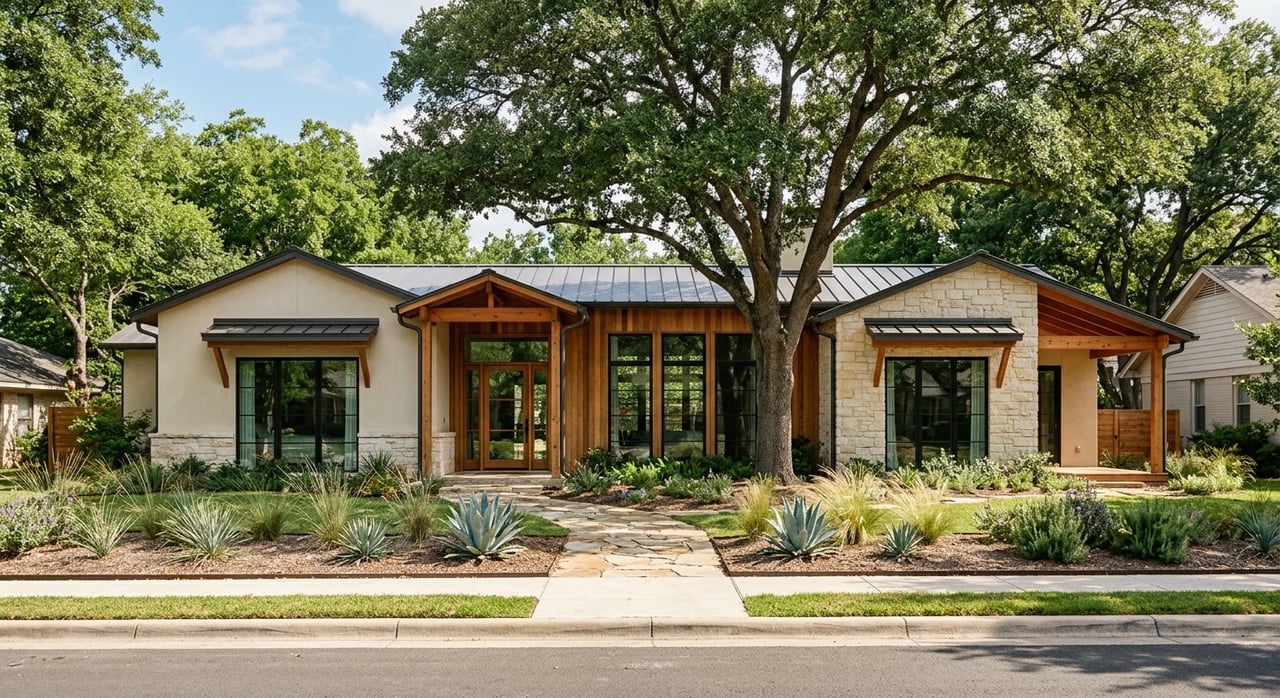
If you are deciding between a brand-new home and an existing one in Converse, the answer is not as simple as “new costs more” or “resale closes faster.” In this market, both options can make sense depending on your budget, timeline, and comfort level with repairs. The good news is that Converse gives you choices at several price points, so you can compare them with real numbers instead of guesswork. Let’s dive in.
Converse price ranges
In 2026, Converse resale pricing sits around the mid-$200,000s, but the exact number varies by source. Redfin reports a median sale price of $249,850, Zillow shows an average home value of $245,209, and Realtor.com lists a median listing price of $260,000. Realtor.com also classifies Converse as a buyer’s market in May 2026.
New construction in Converse covers a wide range too. Current builder pricing shows Lennar’s Rose Valley starting at $169,999, KB Home’s Punta Verde starting at $212,995, Lennar’s Hightop Ridge starting from $250,999 to $332,999, and First America Homes’ Katzer Ranch starting at $288,990. Those are starting prices, so your final total can rise with lot premiums, floor plan changes, or upgrades.
The key takeaway is simple: new construction is not automatically more expensive than resale in Converse. At the entry level, some new homes start below the city’s resale median. But once you move into larger plans or upgraded communities, a new home can easily price above many resale options.
New construction benefits
A new home can feel appealing because you start with brand-new systems, finishes, and appliances. That often means fewer immediate repairs after move-in, which can make budgeting easier in your first year. If you want a more predictable maintenance picture, this can be a major advantage.
Builder warranties are another big reason buyers lean toward new construction. In Converse, KB Home’s Punta Verde advertises a 10-year limited warranty that includes 1 year of workmanship and materials, 2 years of mechanical systems, and 10 years of structural coverage. First America Homes’ Katzer Ranch also references a home warranty.
Energy performance can also matter. The U.S. Department of Energy says efficient new homes are designed for energy savings, comfort, health, and durability. That does not guarantee the same utility cost in every home, but it does mean many buyers see value in newer construction methods and systems.
Resale home benefits
A resale home often gives you a faster path to move-in. Fannie Mae describes the signed-contract-to-closing window as often 30 to 45 days, and the CFPB notes that the loan closing and home purchase closing usually happen at the same time. If you need to relocate soon or want to avoid a build timeline, resale may fit better.
Resale can also give you more room to evaluate the total property before you buy. You can review the condition, age of major systems, and inspection findings before closing. In a buyer’s market, that may also create practical negotiation opportunities around price or repairs.
Another benefit is certainty around what already exists. With a resale home, you are not choosing from a model and waiting months to see the final product. You can walk the exact home, study the layout, and decide whether it works for your daily life right now.
Compare total monthly cost
The purchase price is only part of the equation. Fannie Mae says closing costs usually range from 2% to 5% of the purchase price, and earnest money deposits usually range from 1% to 3%. Monthly ownership costs can also include principal, interest, taxes, insurance, PMI, and HOA fees.
That matters in Converse because two homes with similar prices may carry different monthly costs. A new home may include HOA dues and could be appraised differently once fully assessed. A resale home may come with older systems that increase maintenance costs sooner.
In Bexar County, property taxes are locally assessed, and bills are due January 31 of the following year. BCAD sends Notices of Appraised Value to new owners or when a property’s value increases by $1,000 or more. BCAD also notes the mandatory school-district homestead exemption of $140,000.
Maintenance and repair planning
One of the clearest differences between new construction and resale is your repair outlook. New homes usually reduce the chance of immediate maintenance surprises, while resale homes often require more inspection-based planning. That does not mean a resale home is a bad choice, but it does mean you should budget carefully.
The CFPB says homeowners should set aside money for closing costs, moving costs, repairs, and home improvements. Fannie Mae also suggests keeping a rainy-day fund equal to three to six months of essential expenses. That advice is especially useful if you are buying an older home and expect some updates over time.
If you are considering a resale property, an energy assessment may also help you understand future efficiency improvements. The Department of Energy recommends home energy assessments for existing homes to identify ways to reduce energy use and costs. That can help you compare an older home’s long-term operating costs with a newer build.
Warranty differences in Texas
Warranties are often misunderstood, so it helps to separate builder coverage from optional service contracts. With new construction, builder warranties are often part of the purchase experience. In Converse, KB Home’s published warranty structure gives buyers a clear example of what that coverage can look like.
For resale homes, you may hear about home warranties during the transaction. Texas regulators note that home warranties are optional at the point of sale and are not required when purchasing a home. The Texas Department of Insurance also explains that home warranties cover wear-and-tear breakdowns, while home insurance covers events like fire or theft.
That distinction matters when you compare risk. A builder warranty can reduce some early ownership uncertainty, while a resale purchase may involve more discussion about inspections, current condition, and whether an optional service contract makes sense for you.
Timeline and move-in speed
If timing is your top priority, resale usually has the edge. A financed resale often closes in about 30 to 45 days once you are under contract. The Closing Disclosure must also be delivered at least three business days before closing, which helps set expectations near the finish line.
With new construction, the timeline depends on whether the home is already completed, nearly completed, or still to be built. KB Home says move-in-ready homes average 30 days or less to complete the purchase. For personalized homes, KB Home cites about 4 months, and its Converse Punta Verde page says about 4 to 5 months.
Lennar says the New Home Orientation typically happens about 30 days before closing, while move-in-ready homes can move much faster. First America Homes also lists Katzer Ranch availability in July and August 2026, which shows how builder inventory timing can vary by community and specific home.
Quick side-by-side comparison
| Factor | New construction | Resale homes |
|---|---|---|
| Price | Starts from the low $170,000s and can rise into the $300,000s or more with larger plans and upgrades | Citywide pricing sits around the mid-$200,000s |
| Maintenance | Usually fewer immediate repairs | More inspection-driven repair planning |
| Warranty | Builder warranties are a common feature | Optional home warranties may be available |
| Timeline | Move-in ready can be fast, but to-be-built homes often take months | Often closes in about 30 to 45 days |
| Budget clarity | Final cost can rise with upgrades and premiums | Existing condition is easier to evaluate upfront |
Which option fits you best
New construction may be the better fit if you want lower near-term maintenance, modern systems, and warranty coverage. It can also make sense if you are flexible on timing and want to compare entry-level builder pricing against mid-range resale homes in Converse. Just keep an eye on upgrades, HOA costs, and the final monthly payment.
A resale home may be the better fit if you want a faster closing, a specific established layout, or more certainty about the exact property before you commit. In a buyer’s market, it may also give you more room to negotiate based on condition or pricing. If speed and visibility matter most, resale deserves a close look.
The right choice comes down to your timeline, repair tolerance, and full cost picture, not just the sticker price. If you want help comparing new construction and resale options in Converse, including ways to keep your costs in check, Marti Realty Group can help you review the numbers and next steps.
FAQs
What is the price difference between new construction and resale homes in Converse?
- Resale homes in Converse are generally in the mid-$200,000s, while new construction currently starts from the high $100,000s in some communities and can rise into the $300,000s depending on the builder, plan, and upgrades.
How long does it take to buy a resale home in Converse?
- A financed resale purchase often closes in about 30 to 45 days once you are under contract.
How long does new construction take in Converse?
- Move-in-ready new homes can sometimes close in about 30 days or less, while personalized or to-be-built homes may take about 4 to 5 months depending on the builder and stage of construction.
Do new homes in Converse come with a warranty?
- Many do, and one local example is KB Home’s published 10-year limited warranty structure with separate workmanship, mechanical, and structural coverage periods.
Are home warranties required for resale homes in Texas?
- No. Texas regulators say home warranties are optional at the point of sale and are not required when purchasing a home.
What extra costs should you budget for when buying in Converse?
- You should plan for closing costs, earnest money, monthly housing costs like taxes and insurance, and a reserve fund for repairs, moving expenses, and home improvements.