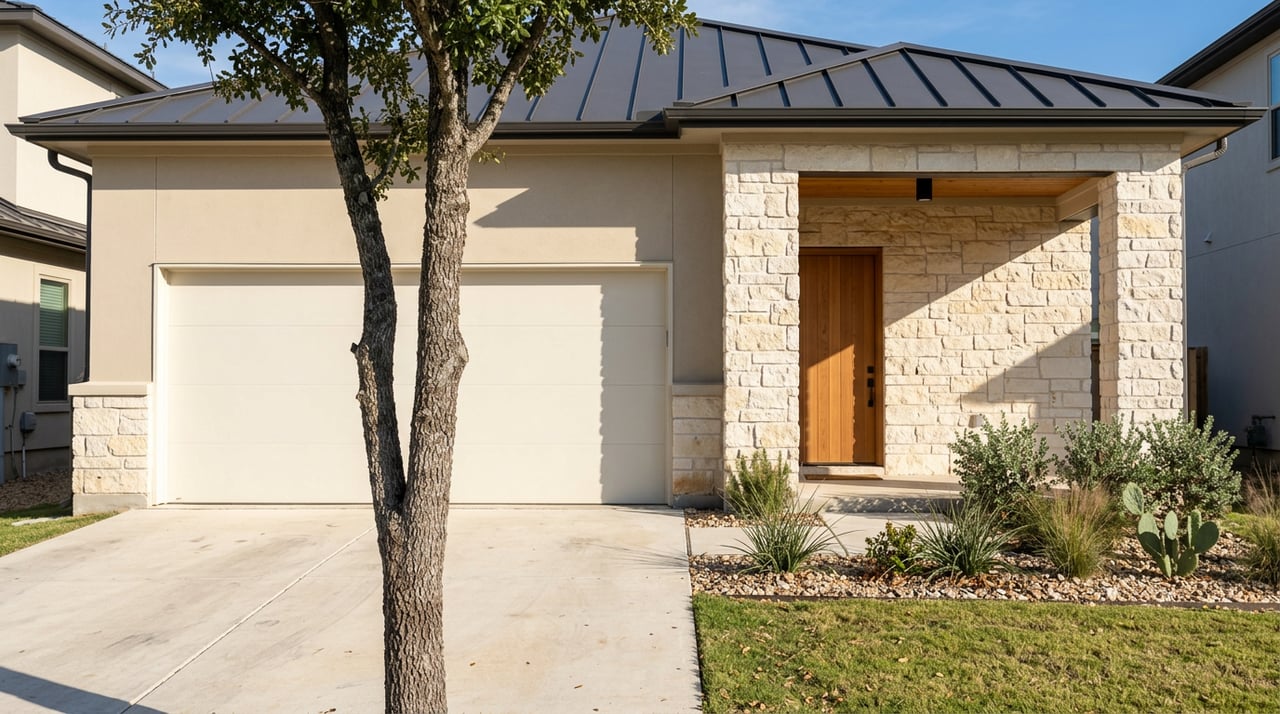
Shopping new construction in Converse can feel exciting and a little overwhelming. You want the fresh start and lower maintenance of a new home, but you also want to protect your budget and make a smart long-term move. This guide gives you a step-by-step way to evaluate neighborhoods, builders, lots, HOAs, and incentives so you can buy with confidence.
Let’s dive in.
Why Converse appeals to value-minded buyers
Converse sits northeast of downtown San Antonio, putting you within a practical commute to city jobs and services while stretching your dollars in a fast-growing suburban market. Active projects include master-planned and builder communities that offer a range of price points and lot options. You will see names like Avenida and Prairie Green show up in your search, with varying amenities, HOAs, and incentives.
Community services matter for day-to-day living. Converse operates municipal water and sewer systems, and many addresses in the area are zoned to Judson ISD. Always confirm the exact school assignment and utility details for the specific property you choose. You can review the city’s utility overview on the official page for water and sewer operations.
- Learn more about Converse utilities on the city’s Utility Systems page: City of Converse utility operations
Start with the builder: reputation, contract, warranty
A great neighborhood starts with a reliable builder and clear paperwork. Before you get attached to a model home, do these checks.
Builder due diligence
- Ask for a list of completed neighborhoods in the San Antonio area and recent buyer references.
- Request sample contracts and the full warranty booklet up front.
- Confirm the warranty provider and whether structural coverage is administered by a third party.
- Get the HOA management company’s name and the draft rules if available.
Many builders use a tiered new-home warranty structure, often described as 1 year for workmanship, 2 years for systems, and longer coverage for structural items. Review the exact terms and how to submit warranty claims so you understand timing and exclusions. For a plain-language overview of common warranty tiers, see this resource: 2-10 Home Buyers Warranty overview.
Texas law also matters. In 2023, the Legislature allowed certain residential builders to reduce the statute of repose for latent defects from 10 years to 6 years if a qualifying written warranty is provided for contracts after the effective date. This makes the warranty’s length and administrator more important to your long-term protection. Read a concise summary here: Texas statute of repose change explained.
Model home vs. what you get: features and upgrades
Model homes are designed to impress. Most of what you see is not the base product unless the contract says otherwise. Protect your budget by separating included features from upgrades early.
What to verify in writing
- Included features: appliances, HVAC type and efficiency, windows, insulation, basic landscaping, and standard finishes.
- Structural options: extended patios, extra bedrooms, covered porches, and larger garages.
- Lot premiums: greenbelt, corner, oversized, or cul-de-sac lots often cost more.
Design-center upgrades are convenient, but prices can climb fast. Expect the largest budget jumps from structural options, lot premiums, and finish packages such as countertops, cabinets, and flooring. Get a line-item sheet for every upgrade you are considering and keep it with your contract documents.
Lot selection, site risks, and amenities
Your lot choice affects daily life, resale, and risk. Compare homesites within the same community before you sign.
Lot tradeoffs to consider
- Corner lots: more frontage and light, possibly more road noise and yard to maintain.
- Cul-de-sac: less traffic and a cozy feel, often a premium.
- Greenbelt or open space: extra privacy and possible higher premiums.
Ask the builder for the exact lot premium for each homesite you are considering. Premiums can range from modest amounts to much higher numbers for specialty or view lots. Amenities in master-planned communities may be phased, so confirm timing and what is funded now versus planned later in the developer documents. You can see an example of master-planned community materials here: Avenida by Forestar.
Site risks and infrastructure checks
- Drainage and grading: the lot should slope away from the foundation.
- Easements and setbacks: know where you can place fencing or add features later.
- Flood risk: check FEMA flood maps and consider flood insurance if there is any doubt. Even outside high-risk zones, flooding can happen. See this guidance from the state: Texas insurance tips on flood risk.
- Utilities: verify the water and sewer provider and any connection fees. Review the city’s utility page for context: Converse utility operations.
HOA fees, rules, and governance
Every HOA is different. Low dues can look attractive but may signal limited reserves. Ask for the documents and read them before you sign.
Request these HOA items
- Management certificate and contact information for the management company.
- CC&Rs (declaration), bylaws, budget, and any reserve study.
- Recent board minutes and any planned special assessments.
In Texas, POAs and HOAs must file certain information. You can learn what to request and where to find it here: TREC on HOA management certificates.
In Converse, example listings have shown HOA assessments around the equivalent of about $38 per month in some communities and about $150 per quarter in others. Treat these as ballpark signals only. Always confirm the current fee, transfer costs, and what services are included before you commit.
Incentives, financing, and appraisal reality
Builder incentives can be valuable, but you should understand the mechanics and long-term costs.
Common incentives and how to compare them
- Temporary interest rate buydowns, such as 2-1 or 3-2-1 structures.
- Closing cost credits.
- Appliance or design-center packages.
Temporary buydowns reduce payments for the first years by funding an escrow that subsidizes your interest. Ask how long the buydown lasts, who pays for it, and your permanent note rate after the buydown ends. Compare the total cost of the buydown with a price reduction or a permanent rate buy-down. For a clear primer, review this explainer: How temporary buydowns work.
Appraisals on new construction
Appraisers rely on comparable sales. Big lot premiums and heavy upgrades may not fully appraise if nearby comps do not support them. If the contract price exceeds appraised value, your lender may cap the loan, and you could need to cover the gap. For how appraisals weigh features in new homes, see the policy overview here: Fannie Mae appraisal guidance.
Practical inspection and closing timeline
Independent inspections add leverage and peace of mind. In Texas, many buyers schedule multiple phases so issues get fixed before drywall or closing.
- Pre-pour or pre-foundation review when relevant.
- Pre-drywall inspection while systems are visible.
- Final walk-through and an 11-month warranty inspection to catch items before the 1-year workmanship period ends.
Many local firms offer pre-drywall and 11-month inspections and follow TREC standards. Get reports in writing and submit items through the builder’s warranty channel within stated deadlines. Learn more about common inspection services here: Phased and 11-month inspections.
Local communities to watch in Converse
- Avenida: A master-planned development by Forestar with a phased amenity plan and a range of builder inventory. Verify current HOA fees, amenity timing, and the warranty structure for the specific builder you choose within the community. Explore the developer’s overview: Avenida community details.
- Prairie Green: A DRB Homes community where you may see periodic quick-move-in opportunities and advertised incentive packages. Confirm current pricing, HOA specifics, and the fine print on any promotions at the time you shop.
Quick checklist you can use at the model
- Ask for these documents: base-spec sheet, upgrade price list, draft contract, warranty booklet, HOA management certificate, CC&Rs, budget, and community plat.
- Verify lot details: premium cost, easements, drainage, and any fences or greenbelt buffers.
- Confirm utilities: water and sewer provider, impact or connection fees.
- Nail down incentives: who pays for rate buydowns, permanent note rate, and how the credit shows on your closing statement.
- Plan inspections: pre-drywall, final, and 11-month.
- Appraisal strategy: discuss upgrades and lot premiums with your lender before you commit so there are no surprises.
How we help you buy smarter in Converse
You deserve clear numbers, clean documents, and a smooth close. Our team helps you compare builders, break down upgrade and lot costs, review HOAs, and structure your offer so incentives work in your favor, not the other way around. We also represent buyers on new construction across Greater San Antonio and offer pricing innovations that can reduce your total costs.
Ready to move forward with a plan that protects your budget and timeline? Connect with Marti Realty Group to get local guidance and see how much you can save.
FAQs
What should I look for in a new-home warranty in Converse?
- Verify coverage tiers, transferability, who administers structural coverage, reporting deadlines, and how to submit claims. Review the builder’s booklet and compare it with guidance like the 1-2-10 overview from 2-10.
How do I know if a Converse lot has flood risk?
- Check FEMA flood maps and ask your agent about local drainage patterns. The Texas Department of Insurance notes that flooding can occur outside high-risk zones, so consider flood insurance when in doubt.
Which HOA documents should I request before buying new construction?
- Ask for the management certificate, CC&Rs, bylaws, budget, reserve study if any, and recent board minutes. TREC explains how management certificates work and where to find them.
How do temporary rate buydowns on new homes really work?
- A buydown funds an escrow that lowers your payment for the first years, while your permanent note rate stays the same. Compare its cost with a price cut or permanent rate buy-down before deciding.
Will my upgrades and lot premium always appraise in a new Converse home?
- Not always. Appraisers prioritize comparable sales, so some premiums or heavy upgrades may not be fully recognized. Talk with your lender early to model the appraisal risk.
What inspections do I need on a brand-new home in Converse?
- Schedule at least pre-drywall and final inspections, then an 11-month inspection to catch items before the workmanship period ends. Use licensed inspectors who follow TREC standards.