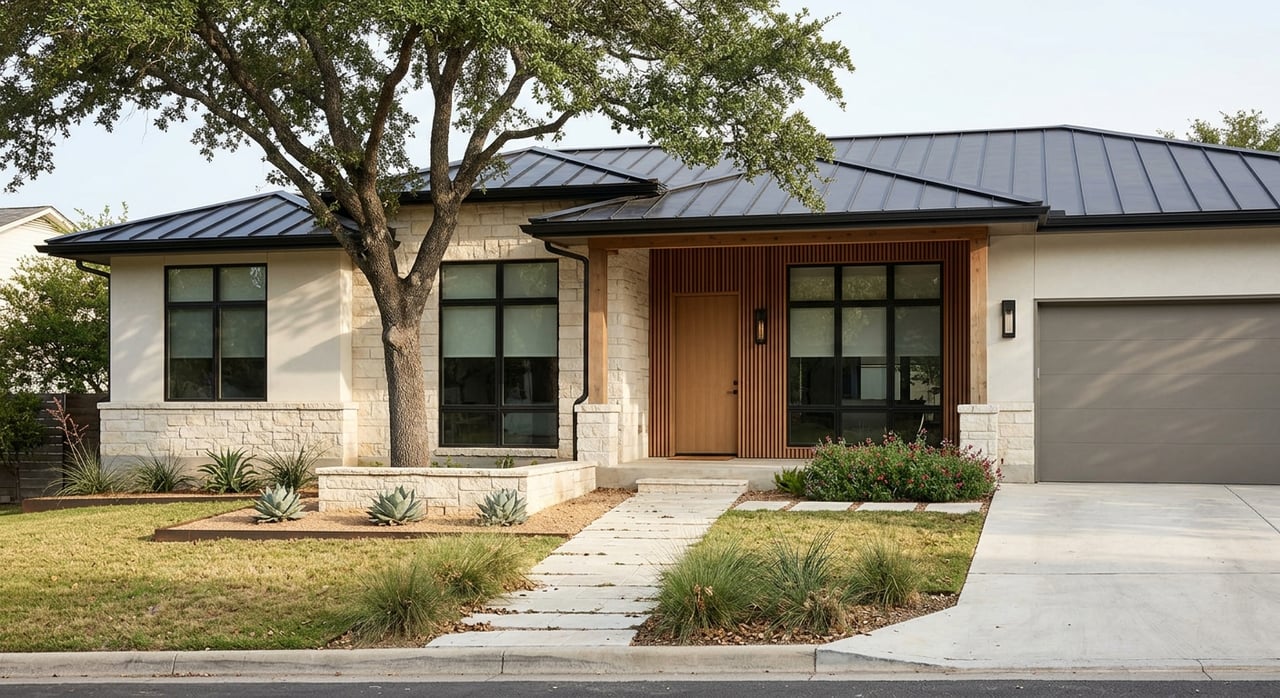
Price gets the most attention, but it rarely tells you the full story. When you are comparing San Antonio MLS listings, two homes with similar asking prices can come with very different timelines, risks, and monthly costs. If you want to make a smarter move, you need to look past the headline number and compare what ownership will actually feel like. Let’s dive in.
Why price alone falls short
In San Antonio, list price is only one piece of the picture. SABOR reported that in February 2026, homes averaged 102 days on market, and 91.9% sold close to original list price in a balanced market.
That matters because a lower price does not automatically mean better value. Builders were also adjusting pricing strategies and incentives, which means two listings may look similar at first glance while offering very different overall deals.
Read the listing history first
Before you compare square footage, finishes, or even price, check the listing history. A home that looks fresh today may have already spent significant time on the market under a different status or relisting cycle.
SABOR tracks both DOM, or days on market, and CDOM, or cumulative days on market. Since SABOR reduced the CDOM off-market reset to 90 days in September 2025, a relisted home can appear newer than its full market exposure suggests.
Status codes matter
SABOR MLS statuses can tell you a lot about a home's path to market. For example, NEW converts to ACTIVE after 10 days if nothing changes, BOM means back on market under the same agreement, and PND or PSB mean the property is off-market.
Other status changes can also reveal useful context. If you see signs of WDN, CAN, EXP, BOM, PND, or PSB activity in the trail, that can help you understand whether the current listing is truly new or simply newly repackaged.
What to compare in every listing history
Use this quick checklist when you review San Antonio MLS listings:
- Current DOM
- CDOM, if available
- Any prior
BOMstatus - Any withdrawn, canceled, or expired history
- Price changes over time
- Whether the property returned as a new listing after time off market
This does not automatically mean something is wrong with the home. It simply gives you a more accurate view of seller strategy, market response, and negotiating context.
Compare the lot, not just the house
A beautiful kitchen can distract you from what the lot is telling you. In San Antonio, lot orientation, drainage context, and usable outdoor space can affect comfort, maintenance, and long-term carrying costs.
The U.S. Department of Energy notes that building orientation affects daylighting, solar heat gain, and energy performance. East- and west-facing glass can be especially challenging for heat gain and shading, so a home's window exposure, tree cover, and lot orientation deserve a closer look.
Why orientation affects day-to-day living
Two similar homes can feel very different depending on how they sit on the lot. Large windows facing harsh afternoon sun may increase heat gain, while better shade coverage or a different orientation may improve comfort.
When you compare listings, pay attention to:
- Direction of front and back exposure
- Amount of mature tree cover
- Size and placement of major windows
- Patio shade during afternoon hours
- Whether outdoor living areas are exposed to direct late-day sun
These details may not change your mortgage payment, but they can change your utility use and how much you enjoy the home.
Check flood and drainage context
The City of San Antonio says flooding can happen anywhere, but it is more likely in low-lying areas near creeks, rivers, bridges, drainage ditches, and other flood-prone zones. That makes flood context a real comparison point, not just a box to check late in the process.
If one listing sits near a drainage feature and another does not, that difference may affect insurance needs, storm-water concerns, and your comfort level during heavy rain. Buyers should compare flood maps, local storm-water information, and the site’s drainage setup before deciding which home offers stronger value.
Lot shape and usable space count too
A large lot does not always mean a more useful lot. Unusual shapes, easements, setbacks, or platting restrictions can change what you can realistically do with the property.
The Texas Attorney General notes that independent surveyors can help trace property lines, platting restrictions, and zoning regulations. If a listing mentions an oversized lot, greenbelt access, or a unique backyard layout, it is worth confirming how much of that space is actually usable.
Compare recurring costs carefully
A home that looks affordable at purchase can become more expensive month after month. That is why smart buyers compare recurring carrying costs, not just principal and interest.
In Bexar County, property taxes can vary because appraisal districts determine value and exemptions, while local taxing units set rates each September. The county also notes that properties may be taxed by multiple jurisdictions, including Bexar County, Flood Control, Alamo Community College, University Health, the San Antonio River Authority, and one independent school district, with possible additional city or special-district taxes.
Property taxes can change the real cost
If you are comparing homes in different parts of San Antonio or Bexar County, tax differences can be meaningful. A home with a lower list price may still cost more each month if its tax burden is higher.
For owner-occupied homes, a general residence homestead exemption may reduce taxable value. Bexar County also describes senior and disability-related tax freezes in some jurisdictions, which can matter for long-term budgeting.
New construction needs extra tax caution
New construction deserves a second look on taxes. The Texas Attorney General warns that buyers are sometimes surprised later when a brand-new home does not yet show a full tax record.
A builder's current estimate may not reflect the property's future assessed value. When you compare new homes, check comparable homes in the same area so you can build a more realistic ownership budget.
HOA dues and assessments matter
HOA costs are another major part of the comparison. Under Texas Property Code Chapter 207, many property owners associations must provide governing documents and a resale certificate on request, including the amount and frequency of regular assessments and certain lawsuit disclosures.
That means you should treat HOA dues, possible special assessments, and association rules as part of the total cost of ownership. A lower-priced listing with higher dues or stricter requirements may not be the better deal.
Flood-related and local charges add up
The City of San Antonio says its storm-water utility fee helps fund drainage services and flood-control projects. Flood insurance may also be a separate recurring cost if a home is in a flood-prone area.
When you compare two listings, ask what ongoing charges could apply beyond the mortgage payment. These line items can make a meaningful difference over time.
Builder and resale homes need different questions
In San Antonio, new construction and resale homes often compete side by side. SABOR's February 2026 report showed that existing homes made up most sales while builders were responding to demand with pricing changes and incentives.
Because of that, builder listings should be compared as a full package. The advertised price is only part of the equation.
How to compare builder listings
With builder homes, make sure you compare:
- Base price
- Lot premium
- Builder incentives
- Estimated property taxes
- HOA dues
- Landscaping completion
- Warranty coverage details
A builder incentive can be valuable, but it should be weighed against future costs and what is actually included with the home.
Builder warranties are not all the same
The FTC explains that builder warranties on new homes are often limited and component-specific. Many cover workmanship and materials for about one year, systems like HVAC, plumbing, and electrical for about two years, and some major structural defects for up to 10 years.
The FTC also notes that many out-of-pocket expenses tied to warranty repairs, such as temporary housing, may not be covered. So even if a home is brand new, warranty coverage may not remove every risk or inconvenience.
Home warranties are different
Texas TDLR says residential service contracts, often called home warranties, are different from builder warranties. TDLR licenses home warranty companies, while builder warranties on new construction are regulated by the Texas Department of Insurance.
Buyers are not required to purchase a home warranty when buying a home. The main takeaway is simple: do not assume all warranty coverage works the same way.
Resale homes offer a different kind of data
Resale homes may not come with the same new-home appeal, but they often give you a clearer picture of maintenance history, utility patterns, and established neighborhood costs. On the other hand, older systems may create more immediate repair risk.
The Texas Attorney General recommends using independent inspectors, appraisers, and, when helpful, surveyors. That guidance is useful whether you are comparing a five-year-old resale home or a never-lived-in builder property.
A simple San Antonio comparison framework
If you want to compare MLS listings beyond price, use a side-by-side process. It keeps emotions from taking over and helps you focus on the real cost and fit of each home.
Compare these categories every time
- Listing history: DOM, CDOM, status changes, relist patterns
- Lot factors: orientation, tree cover, drainage, usable yard space
- Monthly costs: taxes, HOA dues, flood insurance, storm-water-related charges
- Home type: builder package versus resale condition and history
- Risk items: warranty limits, easements, setbacks, flood context
This kind of review helps you spot value that the list price alone cannot show. It also helps you avoid surprises after closing.
If you are buying in San Antonio, the strongest deal is often the home with the better total ownership picture, not just the lowest asking price. A practical comparison today can save you money, stress, and second-guessing later.
When you want help comparing listings with a clear eye on costs, timelines, and real value, Marti Realty Group can help you sort through the details and make a smarter move.
FAQs
How can you tell if a San Antonio MLS listing is really new?
- Compare the current DOM with CDOM and review the status trail for signs of
BOM,WDN,CAN,EXP,PND, orPSBactivity.
What costs should you compare on every San Antonio home listing?
- Compare property taxes, HOA dues, possible flood insurance, and any city or special-district charges that affect monthly ownership costs.
Does a lower list price mean a better deal in San Antonio?
- Not always. In a balanced market, a lower-priced home may still cost more overall if it has higher taxes, higher dues, flood-related costs, or more site-related risk.
What should you compare differently on San Antonio new construction homes?
- Review the full package, including builder incentives, lot premiums, estimated taxes, HOA dues, landscaping completion, and the exact scope of warranty coverage.
Why does lot orientation matter when comparing San Antonio listings?
- Lot orientation can affect sunlight, heat gain, shade, and overall comfort, which may influence energy use and how enjoyable the indoor and outdoor spaces feel.